Introduction
Hearing loss affects millions of people
worldwide and can develop at any age. Some experience it suddenly, while for
others it progresses slowly over time. With advancements in medical science,
many people wonder whether hearing loss can be reversed. The truth is that
while some types of hearing loss can be treated and even reversed, others
remain permanent. Understanding this difference helps in choosing the right
treatment and setting realistic expectations.
Understanding Hearing Loss
Hearing loss occurs when sound waves are
blocked or damaged before reaching the brain. Based on the affected part of the
auditory system, hearing loss is classified into three main types.
Conductive Hearing Loss
Conductive hearing loss occurs when sound
cannot pass efficiently through the outer or middle ear. Common causes include
earwax buildup, ear infections, fluid behind the eardrum, perforated eardrums,
or problems with the small hearing bones. This type of hearing loss is often
temporary and can usually be treated with medication or minor procedures.
Sensorineural Hearing Loss
Sensorineural hearing loss is caused by
damage to the inner ear or auditory nerve. Aging, prolonged exposure to loud noise,
genetic conditions, illnesses, and certain medications are common causes. This
type of hearing loss is usually permanent because damaged sensory hair cells do
not regenerate.
Mixed Hearing Loss
Mixed hearing loss is a combination of
conductive and sensorineural hearing loss. Treatment focuses on improving the
conductive part and managing the permanent sensorineural component.
What Science Can Reverse
Medical science can reverse certain hearing
problems, especially when the cause is physical or temporary. Earwax removal
can immediately restore hearing. Middle ear infections and fluid buildup can be
treated with medication or drainage. Eardrum perforations may heal naturally or
be surgically repaired. Problems with middle ear bones can also be corrected in
some cases.
What Science Cannot Reverse
Damage to the inner ear hair cells cannot
currently be repaired. Noise-induced hearing loss, age-related hearing loss,
and most genetic hearing loss conditions are permanent. While research into
gene therapy and regenerative medicine continues, these treatments are not yet
available for routine clinical use.
Modern Hearing Loss Treatment Options
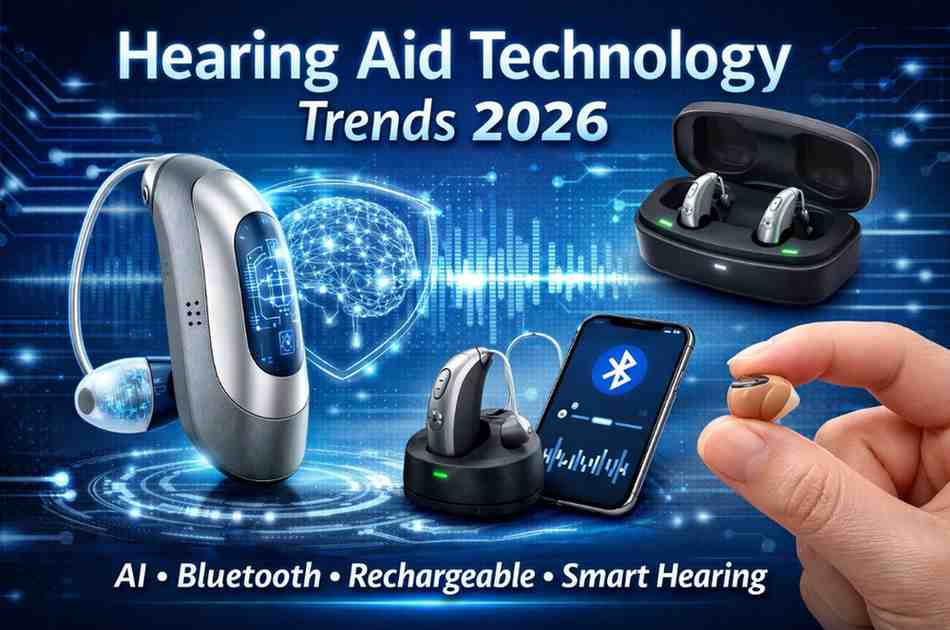
Even when hearing loss cannot be reversed,
modern treatments can significantly improve hearing and quality of life. Hearing
aids enhance speech clarity and reduce background noise. Cochlear implants help
people with severe hearing loss by directly stimulating the auditory nerve.
Assistive listening devices support hearing in specific situations such as
phone calls or watching television.
Why Early Diagnosis Matters
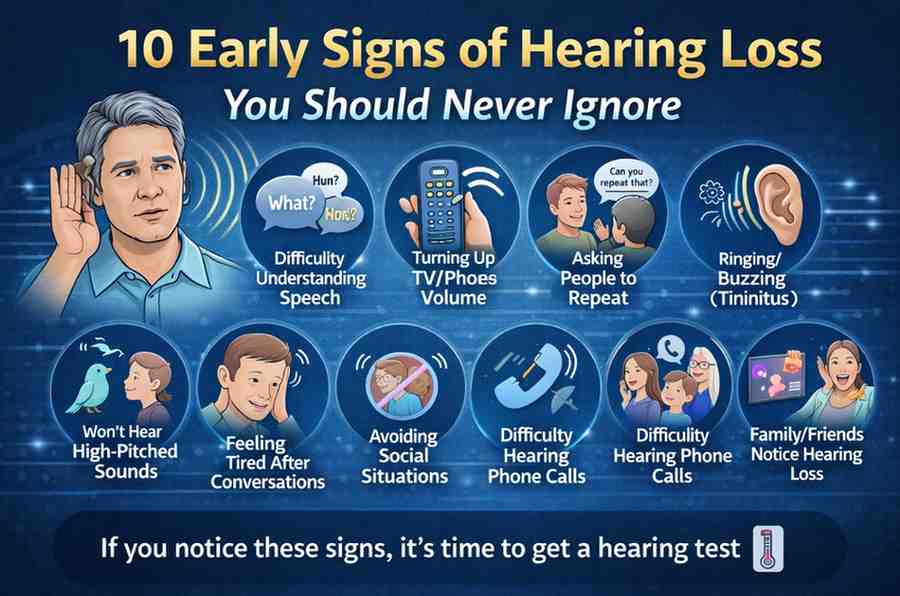
Early detection of hearing loss leads to
better treatment outcomes. Untreated hearing loss can cause communication
difficulties, social withdrawal, reduced confidence, and even cognitive
decline. Early intervention helps the brain adapt more effectively to sound.
Can Hearing Loss Be Prevented?
Not all hearing loss can be prevented, but
the risk can be reduced. Avoid prolonged exposure to loud noise, use ear
protection, attend regular hearing checkups, treat ear infections promptly, and
manage chronic health conditions.
Future of Hearing Loss Treatment
Researchers are exploring advanced
solutions such as stem cell therapy, gene editing, and AI-powered hearing
devices. While these innovations offer hope, current treatments remain the most
reliable option.
Conclusion
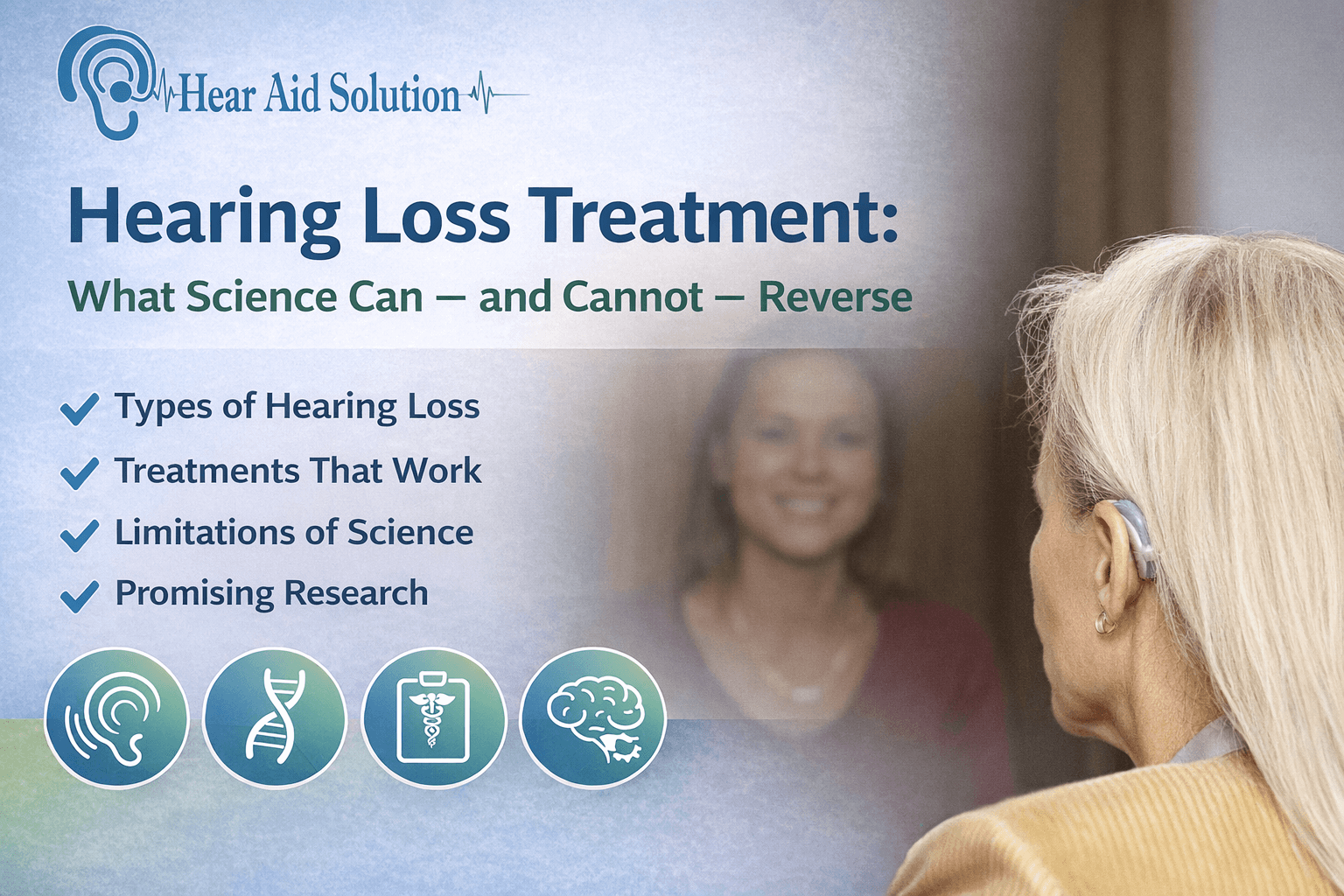
Hearing loss treatment depends on the type
and cause of the condition. Conductive hearing loss is often reversible, while
sensorineural hearing loss is usually permanent but manageable. With modern
technology and early intervention, most people can enjoy clearer communication
and a better quality of life.